
Water Treatment Plant (WTP) Services
Reliable access to safe, high-quality water is non-negotiable for commercial, industrial, and residential facilities. VSKMS provides specialized Water Treatment Plant (WTP) Operation and Maintenance (O&M) services, guaranteeing your water source meets all necessary health and quality standards. Our services focus on optimizing the performance and extending the lifespan of costly equipment, including filtration, softening, and Reverse Osmosis (RO) systems.
Our experts oversee the maintenance and operation of WTPs, monitor water quality, conduct regular inspections, manage filter media changes, and ensure uninterrupted safe water supply for both residential and commercial clients.
Scope of Work
Comprehensive WTP O&M Services

Filtration Management
Regular backwashing, cleaning, and media replacement for sand, carbon, and specialized pre-filters to ensure peak clarity.
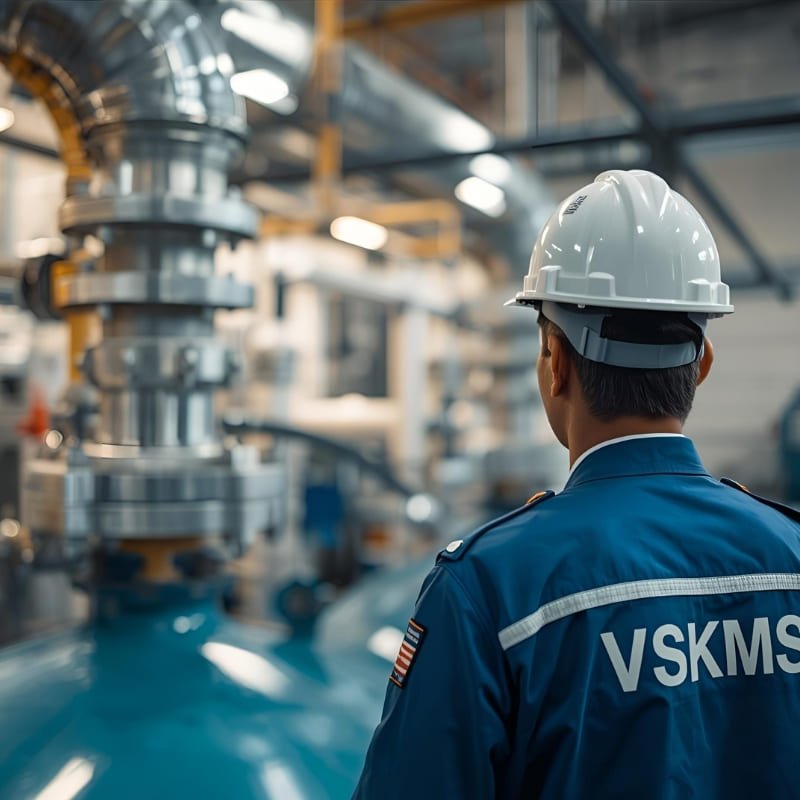
RO and DM Plant Care
Specialized maintenance for high-purity systems, including preventative membrane cleaning, scaling mitigation, and timely membrane replacement to maintain specified water conductivity.

Chemical Dosing & Disinfection
Precise management of chlorine/UV dosing for disinfection, coagulants, and anti-scalants to maintain optimal process chemistry and water pH balance.
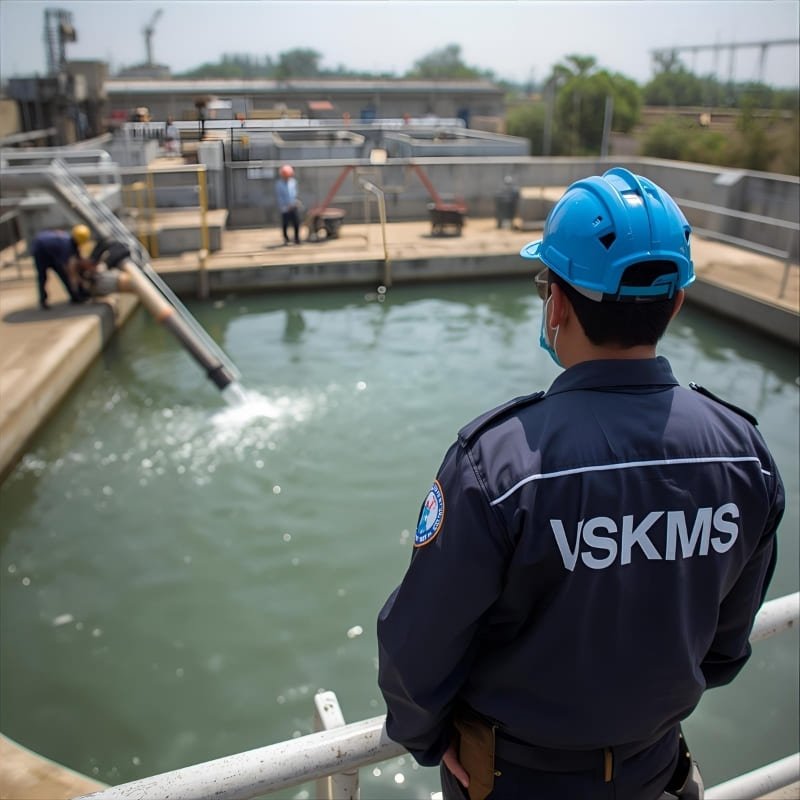
Softening Plant O&M
Regular resin regeneration, salt inventory management, and hardness testing for industrial and boiler feed applications.
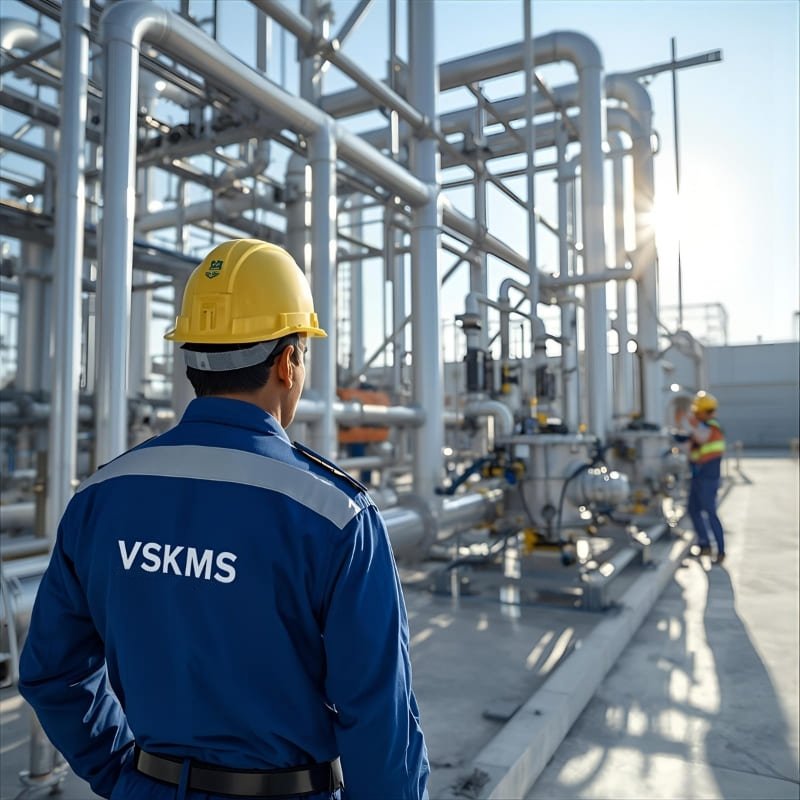
Preventive Maintenance
Scheduled checks and corrective maintenance for pumps, motors, valves, and electrical panels to prevent failures in the distribution system.
Frequently Asked Questions
FAQ's about Water Treatment Plant (WTP) Maintenance Services
What is the primary focus of your WTP Operation and Maintenance (O&M) service?
Our focus is dual: ensuring the final treated water meets the required potability or process safety standards, and conducting preventive maintenance to maximize the lifespan of your filtration and softening equipment.
What types of water treatment technologies does VSKMS maintain?
We maintain all common technologies, including basic filtration units (Sand, Carbon), water softeners, Demineralization (DM) plants, and highly sensitive Reverse Osmosis (RO) systems critical for high-ppurity water needs.
How often is the treated water quality tested?
Process indicators (pH, chlorine residual, TDS) are monitored daily. Comprehensive laboratory testing is performed periodically (as required by local health standards or client specifications) to verify potability.
Do you handle the maintenance and cleaning of expensive RO membranes?
Yes. This is a critical service. We perform scheduled cleaning and backwashing of RO membranes to prevent scaling and fouling, ensuring performance efficiency and delaying the need for costly membrane replacement.
How do you ensure the water remains safe and potable after treatment?
We meticulously manage the disinfection process (typically chlorine or UV dosing) and ensure proper chemical balancing, preventing bacterial growth and maintaining the water’s integrity up to the distribution points.
Do you provide 24/7 technical support for WTP system failures?
Yes. Our integrated MEP/Technical team provides guaranteed 24/7 support for failures related to WTP pumps, control panels, or emergency valve issues to ensure continuous water supply.
Are your WTP operators certified and trained in process chemistry?
Yes. Our Certified WTP Operators have specialized training in water process chemistry, chemical safety, equipment troubleshooting, and maintaining accurate treatment logs.
Does your service cover the maintenance of water softening plants?
How does preventative maintenance on the WTP save us money in the long run?
By preventing scaling and fouling, we maximize the life of expensive filters and membranes and optimize pump performance, significantly reducing power consumption and emergency repair costs.
What standards do you use to measure treated water quality?
We adhere to the relevant standards based on the end-use, typically following the Bureau of Indian Standards (BIS) for drinking water quality or the client’s specific industrial process requirements.
